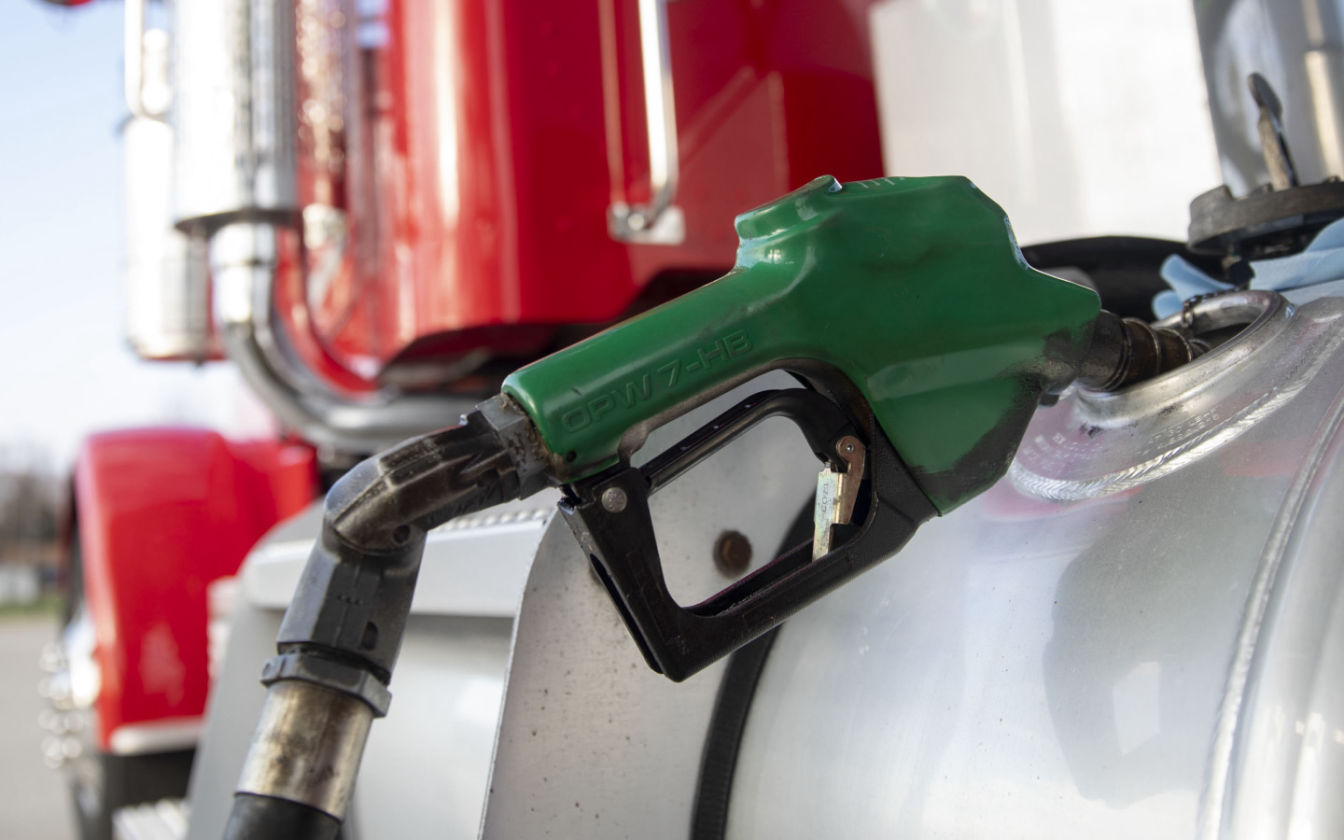
Understanding Fuel Cards and Their Role in Fleet Management
Fuel cards, also known as fleet cards, are specialized payment cards issued to drivers or vehicles within a commercial fleet. They function much like credit cards but are restricted to fuel purchases and often include added controls. Each transaction made with a fuel card is automatically logged and categorized, which feeds directly into the fleet's fuel management system. This allows managers to track spending patterns, consumption rates, and driver behavior in near real-time.
Unlike traditional reimbursement methods or petty cash systems, fuel cards eliminate guesswork and manual record-keeping. The centralized nature of fuel card data means that all relevant information is gathered in one place, making it easier to generate accurate and timely fuel management reports.
Streamlining Data Collection for Accurate Reporting
One of the major benefits of fuel cards is the automation of data collection. Every time a card is used, the system logs the time, location, amount of fuel purchased, price per gallon, and total cost. Some advanced systems even collect vehicle-specific data such as mileage, which is entered at the pump.
This automated approach not only saves time but also reduces the likelihood of errors commonly associated with manual data entry. Fleet managers no longer need to compile receipts or rely on handwritten logs. Instead, they can access comprehensive reports that are updated continuously and reflect real-world usage without delay.
Gaining Visibility into Fuel Spending Patterns
Fuel management reporting is most effective when it provides insight into trends and anomalies. Fuel cards facilitate this by offering detailed breakdowns of fuel consumption across the entire fleet. Managers can view reports filtered by driver, vehicle, region, or timeframe. This level of detail allows businesses to pinpoint inefficiencies, such as excessive idling, route deviations, or unauthorized fuel purchases.
For example, if one vehicle is consistently using more fuel than others in its class, the reporting data can help identify whether the cause is mechanical, behavioral, or logistical. This visibility enables proactive decision-making to optimize fuel usage and address problems before they escalate.
Enhancing Accountability and Control
Fuel cards enhance accountability by assigning responsibility to individual drivers or vehicles. This traceability discourages misuse and helps enforce company fuel policies. Many fuel card systems include customizable purchase controls, such as daily or weekly limits, time-of-day restrictions, and fuel-only access. These features, combined with robust reporting tools, make it easier for managers to detect unauthorized transactions and ensure compliance.
Furthermore, detailed reporting allows companies to support internal audits or respond to external regulatory requirements. With every transaction documented, businesses can provide a transparent record of fuel expenditures, which is especially important for organizations that must report on sustainability or tax compliance.
Improving Budgeting and Forecasting Accuracy
Accurate, real-time reporting powered by fuel cards is instrumental in setting realistic fuel budgets and forecasts. Historical data gathered from fuel card usage helps companies project future costs based on seasonal trends, vehicle usage rates, and fuel price fluctuations. This forecasting ability leads to more informed financial planning and minimizes the risk of budget overruns.
Moreover, fuel card data helps identify cost-saving opportunities. For instance, reports may reveal that certain fuel vendors consistently offer better rates, prompting managers to redirect drivers to those locations. Similarly, patterns in driver behavior can be used to inform training initiatives aimed at improving fuel efficiency.
Simplifying Administrative Processes
The traditional methods of fuel tracking often require significant administrative effort. Collecting receipts, reconciling expenses, and entering data into spreadsheets can be both time-consuming and error-prone. Fuel card reporting tools streamline this process by providing downloadable reports that integrate with most fleet management and accounting software.
By reducing the administrative burden, companies can reallocate valuable time and resources to more strategic functions. This operational efficiency contributes to the overall productivity of the organization.